
ADHD child not sleeping at night?
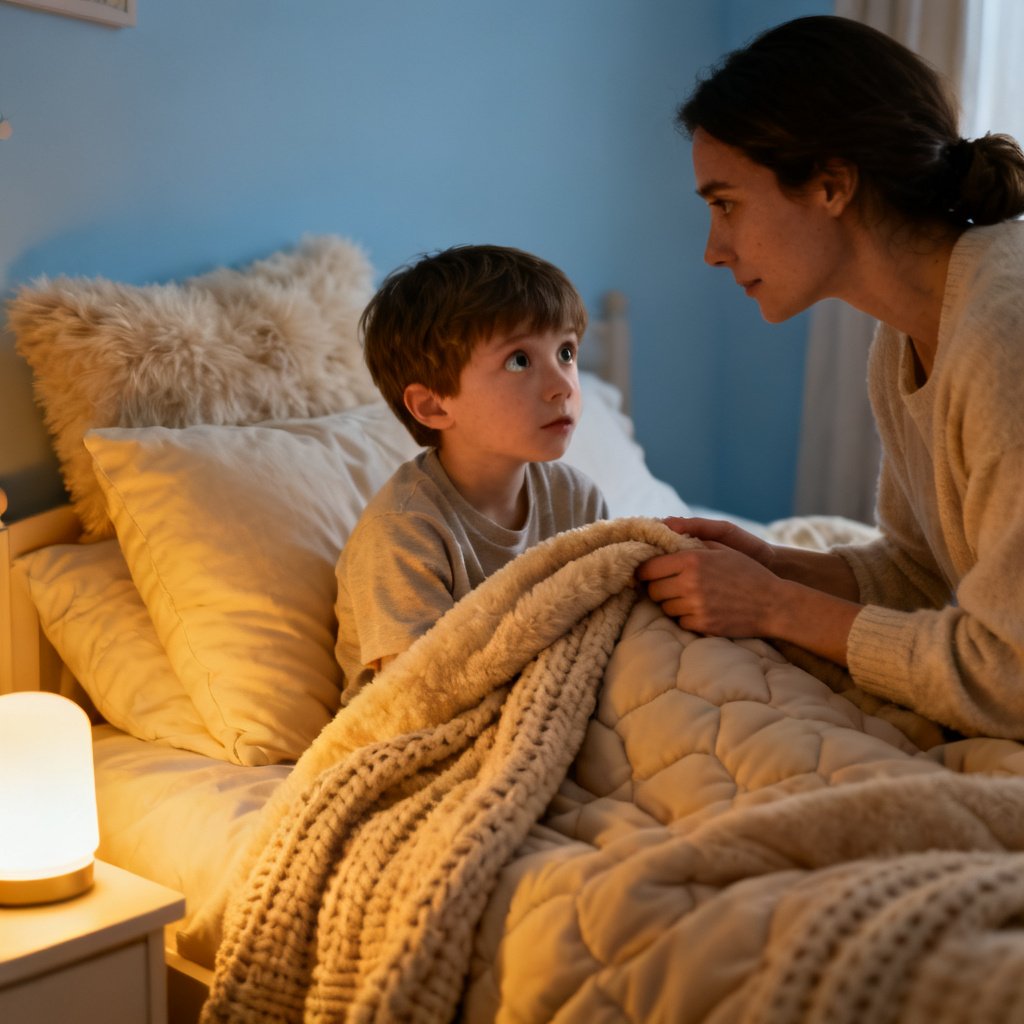
If your ADHD child is not sleeping at night, it can feel confusing, exhausting, and never-ending.
You’ve done everything right.
Dinner is over. The lights are dim. You’re exhausted and just waiting for the day to end.
But your ADHD child is not sleeping at night.
Instead:
- They’re restless
- Asking for “just one more thing
- Getting out of bed again and again
- Or suddenly full of energy when they were tired 10 minutes ago
And somewhere between frustration and guilt, a thought crosses your mind:
👉 “Why is this so hard for my child… and for me?”
If this feels familiar, you’re not alone, and more importantly, you’re not doing anything wrong.
ADHD Child Not Sleeping at Night: Why It’s More Than a Habit
Sleep struggles in ADHD are not about “bad behaviour” or “lack of discipline.”
They are deeply connected to how your child’s brain works.
A recent meta-analysis published in Psychological Medicine found that children with ADHD:
- Take longer to fall asleep.
- Wake up more often during the night.
- Experience poorer sleep quality overall.
Another study by Leman et al. (2024) showed that children with ADHD often have irregular sleep patterns and shorter sleep duration.
👉 What this means for you:
Your child isn’t choosing to stay awake.
Their brains are struggling to settle down.
These sleep challenges are deeply rooted in brain functioning. You can explore this further in our guide on understanding ADHD and autism behaviour.
ADHD Bedtime Struggles: What It Looks Like at Home
Most research describes patterns.
But parents live in reality.
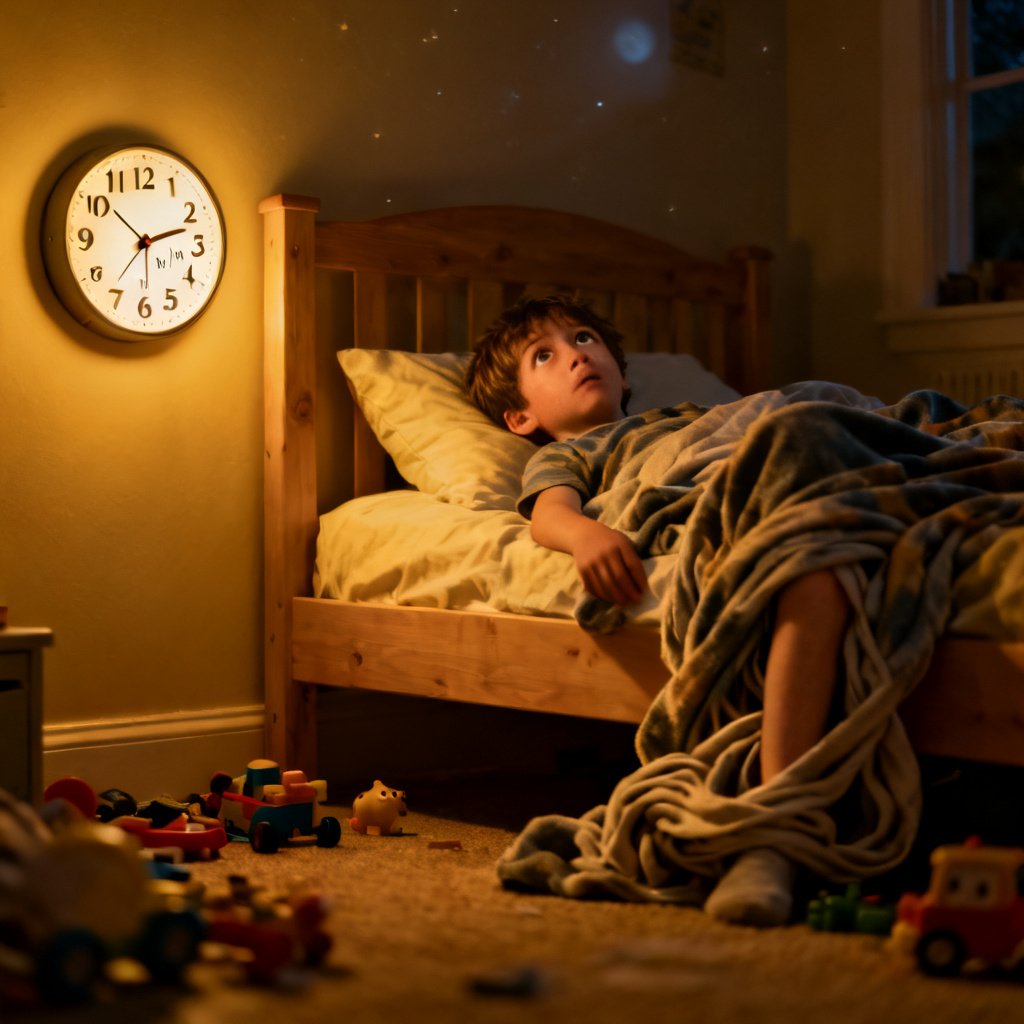
Maybe your nights look like this:
- Bedtime starts at 9… but sleep happens at 11.
- Your child keeps calling you back into the room.
- They suddenly remember everything they want to say.
- Or they just can’t switch off.
Research published in BMC Pediatrics describes bedtime in ADHD homes as an “ongoing emotional and behavioural struggle.”
These patterns are very common when an ADHD child is not sleeping at night.
A 2025 study by Alvstrand et al. described bedtime in ADHD homes as an “ongoing emotional and behavioural struggle.”
That word struggle matters.
Because this isn’t just about sleep.
It’s about:
- your energy
- your patience
- your relationship with your child
Why Your ADHD Child Gets More Active at Night
One of the most confusing things for parents is this:
👉 “Why does my child become MORE active at night?”
The answer lies in emotional and neurological regulation.
Studies in Behavioural Sciences highlight how emotional regulation and restlessness impact sleep in children with ADHD.
A 2026 study by Sevincok et al. found that sleep problems in ADHD are strongly linked to:
- Emotional overload
- Difficulty calming the mind
- Increased internal restlessness
So when the day ends:
- Their bodies are tired.
- But their brain is still “on.”
👉 Bedtime becomes the moment when everything they didn’t process during the day shows up.
ADHD Child Wakes Up at Night: What’s Really Going On
If your child falls asleep but keeps waking up, it can feel even more exhausting.
Research shows that children with ADHD often have:
- Disrupted sleep cycles
- Less deep, restorative sleep
- Frequent awakenings (Xian et al., 2025)
That’s why you might see:
- Night-time visits to your room
- Difficulty going back to sleep
- Increased dependency at night
👉 This isn’t attention-seeking.
It’s sleep instability.
What Makes ADHD Sleep Problems Worse
Sometimes, despite our best efforts, certain patterns make it harder to sleep.
1. Inconsistent routines
Children with ADHD rely heavily on predictability.
Irregular sleep timings confuse their internal clock (Leman et al., 2024).
2. Screens before bedtime
A 2025 study by Dai & Ouyang found that excessive screen exposure is linked to:
- Shorter sleep duration
- Delayed sleep onset
- Increased ADHD symptoms
3. Too much stimulation late in the day
Loud environments, late play, or emotional discussions can keep their brain activated.
4. Pressure to “just sleep”
The more we push, the more anxious they become.
👉 And anxiety and sleep don’t go together.
What Actually Helps When Your ADHD Child Is Not Sleeping at Night
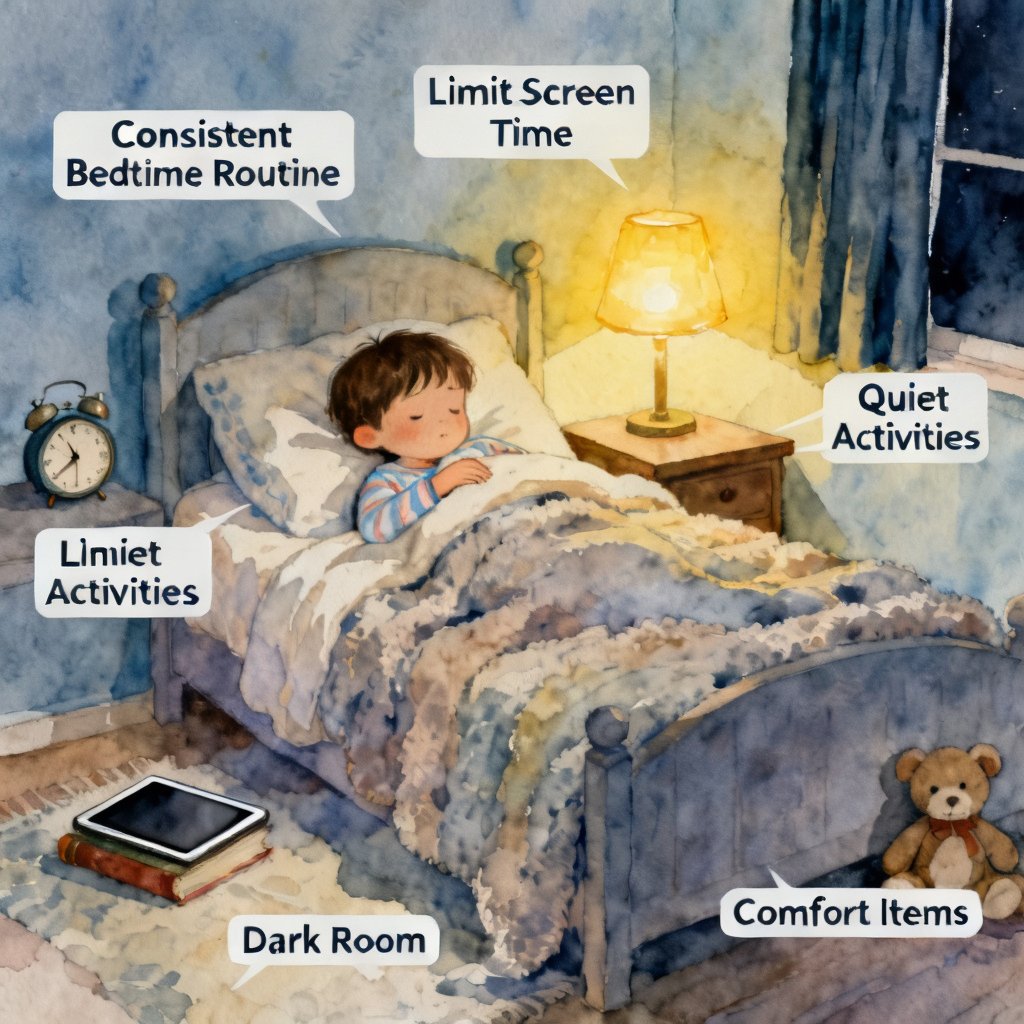
There’s no instant fix, but there are small shifts that truly work over time.
1. Keep Bedtime Simple and Predictable
Instead of long routines, try a fixed 3-step pattern:
- Brush
- Quiet activity (story or calm talk)
- Lights off
Creating consistent routines is key. You can explore more structured ideas in our guide on daily routines for neurodivergent children.
A 2025 intervention study by El-Monshed et al. showed that consistent behavioural routines significantly improve sleep in ADHD children.
👉 The key is repetition- not perfection.
2. Focus on Slowing Down, Not Forcing Sleep
Your child cannot jump from high energy → sleep instantly.
Help them transition:
- Dim the lights early.
- Reduce noise.
- Avoid stimulation 30-45 minutes before bed.
3. Address Emotions Before Bedtime
Bedtime is not the moment to process big feelings.
Instead:
- Talk earlier in the evening.
- Create a safe space to express emotions.
- Use calming techniques (breathing, storytelling)
👉 A calmer mind sleeps better.
Supporting emotional regulation earlier in the day can make bedtime easier- here are some emotional regulation tools for ADHD and autism that can help.
4. Respond to Night Wakings Calmly
When your child wakes up:
- Keep your tone soft
- Avoid long conversations
- Gently guide them back.
Consistency matters more than intensity.
5. Accept Progress, Not Perfection
Some nights will still be hard.
And that’s okay.
What matters is:
- gradual improvement
- reduced stress
- better understanding
What NOT to Do (Even When You’re Tired)
Let’s be honest, this is the hardest part.
But these reactions often make things worse:
❌ Shouting or threatening
❌ Comparing your child to others
❌ Forcing them to stay in bed
👉 These increase emotional stress, and that directly impacts sleep.
When Should You Seek Help?
If your ADHD child is not sleeping at night consistently, and you notice:
- Extreme fatigue
- Worsening behaviour during the day
- High emotional distress
It may be helpful to seek professional guidance.
Because sleep is not separate from ADHD, it’s deeply connected to it.
A Gentle Reminder for You
If nights feel overwhelming, pause for a moment and hear this:
👉 You are not failing.
👉 Your child is not difficult.
This is a real, research-backed challenge that many families face, but rarely talk about openly.
And sometimes, what helps the most isn’t just a strategy…
…it’s understanding what your child is going through.
At NeuroNestHub, we aim to support parents with evidence-based guidance and practical resources. Explore more articles on autism, ADHD, and child development on our platform.
References
Alvstrand, M., et al. (2025). Facilitating sleep initiation in children with ADHD. BMC Paediatrics.
El-Monshed, A. H., et al. (2025). Behavioural sleep intervention in ADHD children. Journal of Nursing.
Leman, T. Y., et al. (2024). Sleep insufficiency in children with ADHD. Sleep Medicine, 121.
Sevincok, D., et al. (2026). Sleep and emotional regulation in ADHD. Behavioural Sciences, 16(3).
Xian, P., et al. (2025). Sleep dysregulation in ADHD: Meta-analysis. Psychological Medicine.
Dai, X., & Ouyang, Y. (2025). Screen time and ADHD-related sleep disruption.