
Abstract
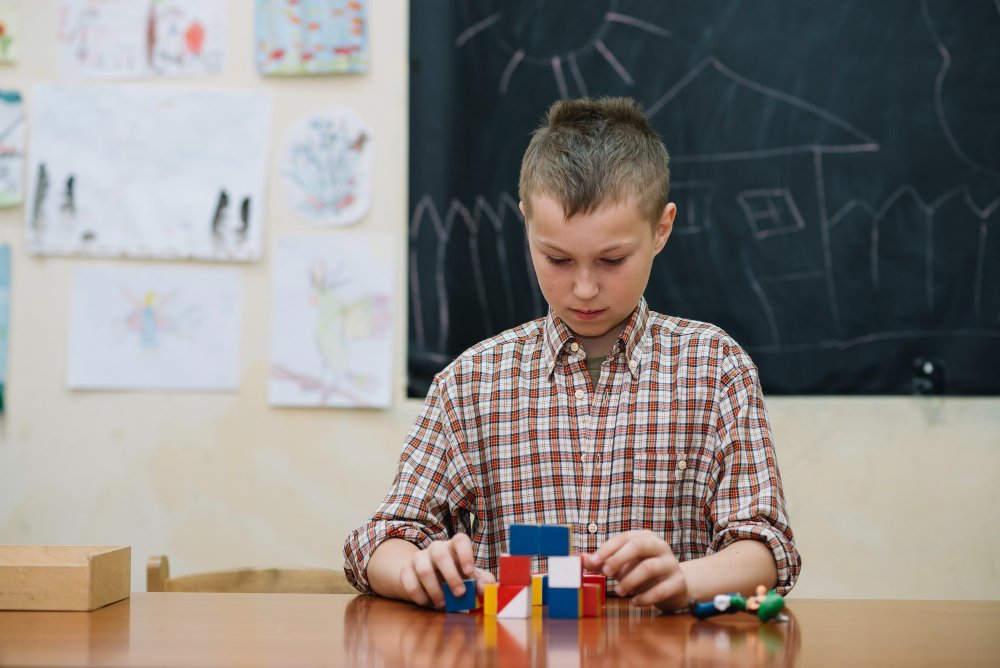
Starting school can be a challenging transition for children with autism due to changes in routine, sensory sensitivities, and social demands. Research indicates that anxiety is significantly higher among autistic children, particularly during major transitions (Rodgers et al., 2016; Sideropoulos et al., 2024). This article provides evidence-based strategies, along with practical examples, to help parents prepare your child with autism for school while minimising anxiety and promoting emotional readiness.
Introduction
Starting school is a significant milestone for any child, but for children with autism, it can feel overwhelming. The unfamiliar environment, new routines, sensory challenges, and social expectations can lead to heightened anxiety. Research shows that anxiety is common among autistic children, especially during transitions like starting school (Rodgers et al., 2016; Waldman et al., 2023).
Parents can explore more about autism and school readiness through resources like Autism Speaks, which provides practical guidance for families navigating early school transitions.
As a parent, the goal is not just school readiness, but emotional readiness. This guide will help you prepare your child with autism for school using practical, research-based strategies.
Before we begin, it’s important to remember that every child with autism is different. The examples shared here are not one-size-fits-all solutions, but starting points to guide you. If a strategy doesn’t work for your child, it doesn’t mean something is wrong; it simply means your child may need a different approach. Feel free to adapt, modify, and experiment based on what helps your child feel safe and comfortable.
How Visual Schedules Help Prepare Your Child with Autism for School
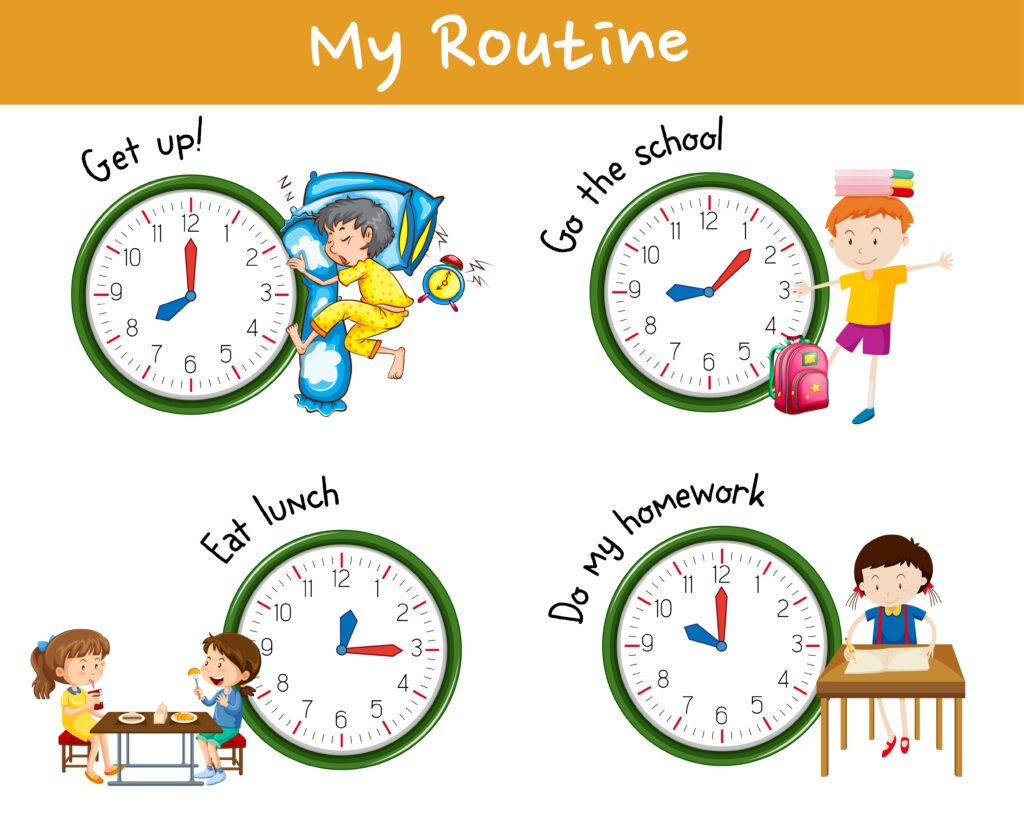
Children with autism often feel anxious when they don’t know what will happen next. Visual supports help make routines clear and predictable (Hodgdon, 1995; Steinbrenner et al., 2020).
Visual supports are also recommended as an evidence-based practice by organizations such as the National Professional Development Center on Autism Spectrum Disorder, which highlights their effectiveness in improving predictability and reducing anxiety.
Example:
You can create a simple morning chart with pictures: wake up → brush teeth → get dressed → go to school. Each time your child completes a step, they tick or remove the picture. This helps them see what comes next instead of having to guess.
Use Gradual Exposure to the School Environment
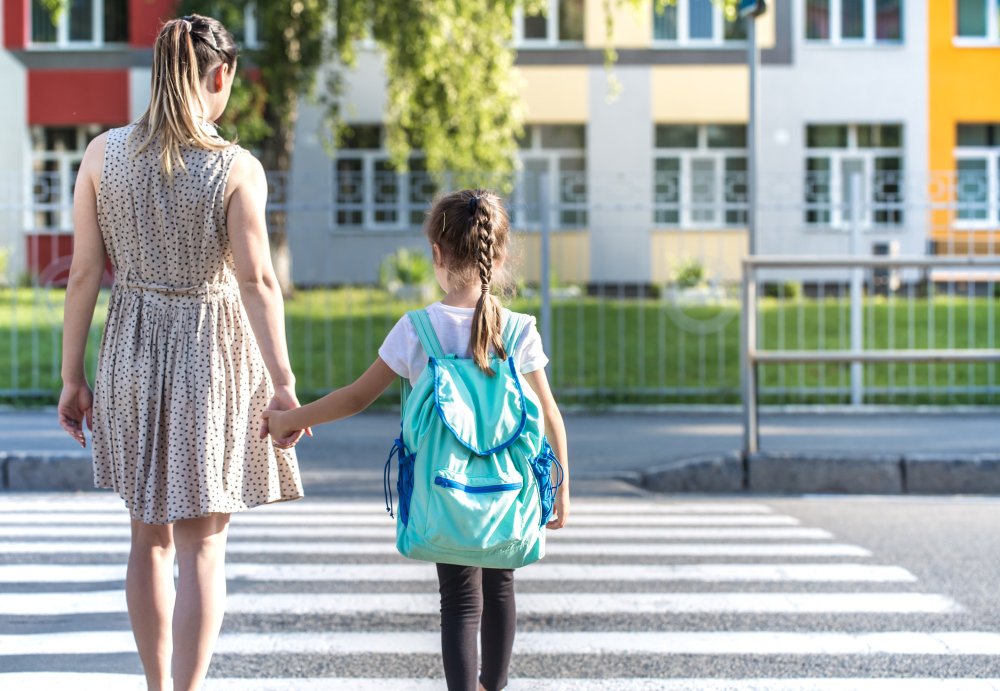
New environments can feel overwhelming. Gradual exposure is an effective way to prepare your child with autism for school, as it helps children become familiar and comfortable over time (Connolly & Gersch, 2016).
Example:
Start by taking your child to see the school gate one day, then the playground another day, and later the classroom. Instead of starting school suddenly, your child slowly gets used to the space.
Build Communication and Social Readiness
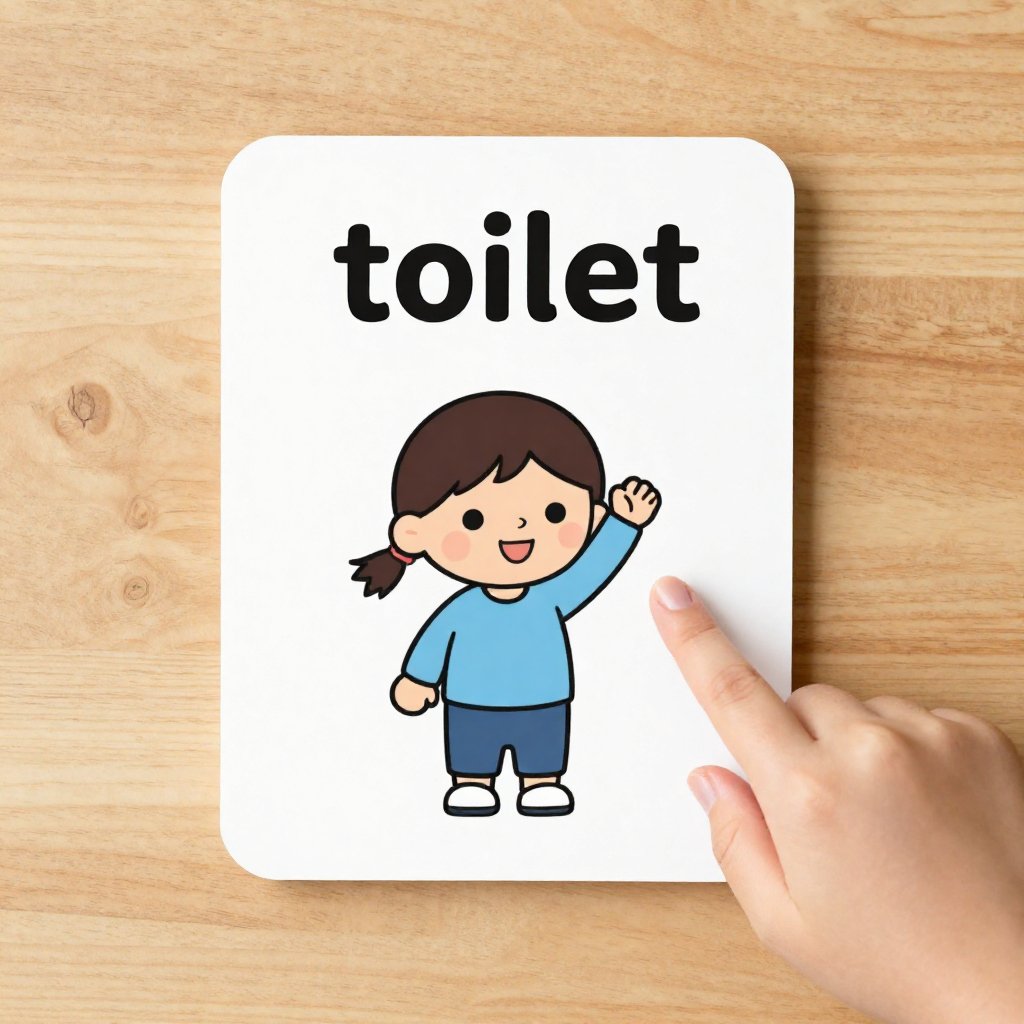
Communication difficulties can increase anxiety, especially when a child cannot express their needs (Koegel et al., 2012).
Example:
Teach your child to say or show “toilet” or “help” using words, gestures, or picture cards. This reduces panic because they know how to communicate their needs.
Address Sensory Sensitivities Early

Sensory challenges, such as loud noises or bright lights, can make school a distressing experience (Ashburner et al., 2008).
Example:
If your child is sensitive to noise, you can let them wear soft headphones during assembly or practice listening to school sounds at home in a controlled way.
For more insights on sensory challenges and support strategies, platforms like Understood.org offer practical guidance for parents.
Collaborate with Teachers and School Staff

Teacher understanding plays a major role in reducing anxiety during school transitions (Sideropoulos et al., 2024). As you work with teachers, it’s also important to understand your child’s rights and how to advocate effectively within the school system. You can read more about this in our guide on How to Advocate for Your Neurodivergent Child in Indian Schools: IEPs & Legal Rights.
Example:
Inform the teacher that your child may need a short break when overwhelmed. The teacher can allow them to sit quietly in a corner instead of forcing participation immediately.
Teach Emotional Regulation Skills

Children with autism may struggle to manage big emotions (Scarpa & Reyes, 2011). Supporting emotional regulation at home can make a significant difference in how children cope with school environments. You can explore practical strategies in our guide on Emotional Regulation Tools for Autism & ADHD.
Example:
Teach your child to take 3 deep breaths when upset or use a “calm corner” at home. Then the same strategy can be used in school.
Prepare for Social Challenges
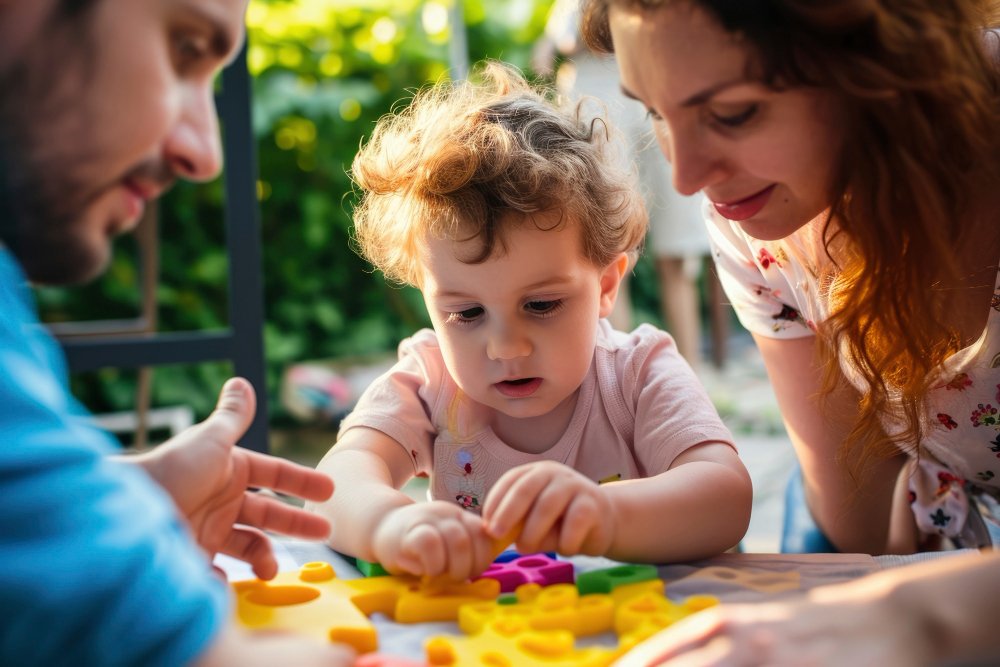
Social situations can be confusing and stressful. Preparation helps reduce anxiety (Gkatsa & Antoniou, 2023). Developing social skills requires time and ongoing support. If you’d like to explore this in more depth, read our guide on Helping ADHD and Autistic Children Build Social Skills: What Research Really Says.
Example:
Practice simple interactions like saying “hi” or sharing toys with a sibling or parent. This makes real-life interactions less intimidating.
Maintain Consistent Routines at Home

Consistency helps children feel secure and reduces anxiety (Hume et al., 2009). Creating a predictable daily structure at home plays a key role in school readiness. You can explore practical ideas in our guide on Daily Routine Ideas for Children with Autism: A Research-Based, Parent-Friendly Guide.
Example:
Wake your child at the same time every day, even before school starts, so the transition to school routine feels natural.
Focus on Strengths, Not Just Challenges

A strength-based approach builds confidence and reduces stress (Steinbrenner et al., 2020).
Example:
If your child loves drawing, let the teacher know. The teacher can use drawing as a way to help your child participate and feel comfortable in class.
Conclusion
To prepare your child with autism for school, the focus should be on reducing anxiety, not just improving skills. Research shows that strategies like visual schedules, gradual exposure, and emotional support can significantly improve school transitions (Rodgers et al., 2016; Connolly & Gersch, 2016).
Small, consistent efforts make a big difference. With the right preparation and support, your child can enter school feeling safer, calmer, and more confident.
For more real stories and evidence-based parenting resources, visit our homepage at NeuroNestHub: https://neuronesthub.com/
References
Ashburner, J., Ziviani, J., & Rodger, S. (2008). Sensory processing and classroom outcomes in children with autism. American Journal of Occupational Therapy, 62(5), 564-573.
Connolly, M., & Gersch, I. (2016). Experiences of parents of children with autism starting school. Educational Psychology in Practice, 32(3), 245–261.
Gkatsa, T., & Antoniou, I. (2023). Bullying and autism spectrum disorder. International Journal of Bullying Prevention.
Hodgdon, L. Q. (1995). Visual strategies for improving communication.
Hume, K., Plavnick, J., & Odom, S. (2009). Promoting independence in autism. Journal of Autism and Developmental Disorders, 39, 132–142.
Koegel, R. L., Ashbaugh, K., & Koegel, L. K. (2012). Pivotal response treatment. Journal of Autism and Developmental Disorders, 42, 1024–1033.
Rodgers, J., et al. (2016). Anxiety in autism spectrum disorder. Autism Research, 9(11), 1205–1215.
Scarpa, A., & Reyes, N. M. (2011). Emotion regulation in autism. Journal of Autism and Developmental Disorders, 41, 1013–1026.
Sideropoulos, V., et al. (2024). Anxiety in school transitions. JCPP Advances.
Steinbrenner, J. R., et al. (2020). Evidence-based practices for autism. Journal of Autism and Developmental Disorders.
Waldman, J., et al. (2023). Anxiety in autistic children. Autism.