

Family vacations are often described as relaxing and joyful. But for many neurodivergent families, travel can bring sensory overload, emotional exhaustion, and constant stress. In this guest blog, Diedricht Brand shares how travelling with his neurodivergent son changed the way his family approaches travel forever.
About the Author
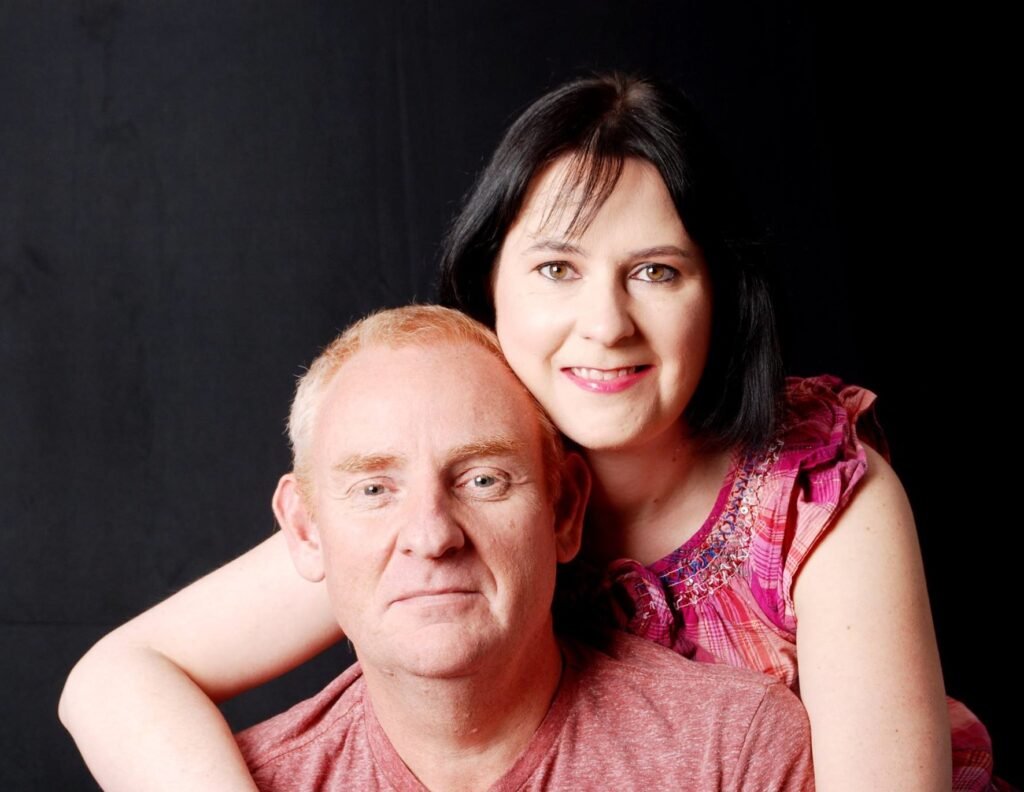
Based in Malmesbury, Diedricht Brand is the founder of Neurodiverse Travel Co. and a father of a neurodivergent child whose personal experiences reshaped the way he understands travel.
After navigating the challenges of sensory overload, unpredictable routines, and family stress during travel, he became passionate about creating more supportive and flexible travel experiences for neurodivergent individuals and their families.
Through Neurodiverse Travel Co, he hopes to help families feel understood, prepared, and less alone while exploring the world together.
NeuroNestHub thanks Diedricht Brand for sharing his family’s lived experiences and reflections on neurodiverse travel.
Neurodiverse Travel: When Travel Does Not Feel Relaxing
Travel is supposed to feel relaxing. It is supposed to bring families closer, create memories, and offer a break from everyday stress. For a long time, I believed that if we planned carefully enough, our family vacations would naturally become enjoyable for everyone.
But raising a neurodivergent child taught us that travel is not experienced the same way by every family.
Like many parents, our journey began when our son was still very young. In the beginning, there were more questions than answers. We visited different specialists, and almost every doctor seemed to have a different opinion. It was emotionally exhausting and deeply confusing.
Eventually, we found a doctor we trusted, and after years of self-research, learning, and observation, many things slowly started making sense.
The behaviours.
The sensitivities.
The emotional reactions.
The need for routine and predictability.
Many of the “why?” questions finally had answers.
Parenting a neurodivergent child is not always easy. It requires patience, flexibility, and constant thinking ahead. It can be exhausting at times, but it also changes the way you see the world.
Over time, you begin to realise that experiences many neurotypical families consider simple or exciting can sometimes feel overwhelming for a neurodivergent child.
We learned one of our biggest lessons during a family trip through Namibia in 2024.
How Neurodiverse Travel Changed Our Family’s Perspective
Like many families, we planned the trip with excitement. We wanted to see as much as possible and make the most of our time together.
But looking back now, I realise the trip was planned around what we thought a “good vacation” should look like, not around what our son actually needed.
After we returned home, my wife said something that completely changed the way I viewed the trip:
“I did not enjoy the tour. I was stressed the whole time.”
Our son also struggled throughout the journey, although at the time I did not fully understand why. Only later, after learning more about neurodiversity and sensory regulation, did I begin recognising the signs we had missed.
We were driving for six to seven hours a day with very few rest stops.
We changed accommodation almost every night.
Some days included multiple activities with little time to regulate or recover between transitions.
Restaurants often could not accommodate food preferences or sensory sensitivities. Everything moved too quickly.
What we saw as adventure and excitement felt overwhelming and unpredictable for our son.
A 2023 study by Keren MacLennan and colleagues found that unpredictability, sensory overload, crowded environments, and limited recovery time can become deeply overwhelming for autistic individuals.
The study highlighted how predictability, flexibility, and supportive environments play an important role in reducing stress and improving experiences for neurodivergent people.
Looking back now, I realise we unintentionally created the perfect environment for sensory and cognitive overload.
Neurodiverse Travel Is More Than Sensory-Friendly Spaces
Travel already creates stress for most people. But for neurodivergent families, the stress often begins long before the vacation starts.
Questions immediately begin to build:
- Will the environment be sensory-friendly?
- What if my child becomes overwhelmed halfway through an activity?
- Will restaurants understand food sensitivities?
- What happens if plans suddenly need to change?
- Will other people judge us?
For many parents, one of the hardest parts is the fear of public judgment when a child struggles in unfamiliar environments.
A 2022 study published in Frontiers in Psychology found that sensory sensitivities strongly influence how autistic individuals participate in community activities and unfamiliar environments. Researchers noted that high sensory input, crowded settings, noise, and unpredictability often create emotional exhaustion, leading many families to avoid certain environments altogether.
This is why many neurodivergent families sometimes decide that staying home feels safer than travelling.
But the problem is not travel itself.
The problem is that most travel experiences are not designed with neurodivergent needs in mind.
Neurodiverse Travel Challenges Are Often Overlooked
Today, many accommodations and tourism companies describe themselves as “inclusive” or “sensory-friendly.” But true neurodiverse travel goes far beyond marketing words.
I often compare it to places that advertise themselves as wheelchair accessible, only for guests to arrive and discover the bathroom doors are too narrow, or the pathways are not usable.
The same thing can happen for neurodivergent travellers.
A travel experience may look perfect on paper, but if it does not consider sensory overload, emotional regulation, transitions, recovery time, or food sensitivities, it can quickly become overwhelming.
A 2023 study published in Information Technology & Tourism found that sensory features such as crowding, noise levels, environmental intensity, and unpredictability significantly impact how autistic travellers experience vacations and tourism activities.
Neurodiverse-friendly travel should involve:
- Flexible itineraries
- Slower pacing
- Understanding sensory needs
- Fewer transitions
- Rest opportunities
- Supportive communication
- Emotional flexibility when plans change
Most importantly, families need to feel understood rather than judged.
Why Neurodiverse Travel Requires More Flexibility
Through our own experiences, we learned that travelling with a neurodivergent child requires a completely different mindset.
Sometimes the smallest adjustments make the biggest difference:
- Reducing the number of activities per day
- Planning quiet recovery time
- Allowing schedules to change
- Preparing children for transitions
- Choosing sensory-aware accommodations
- Carrying familiar snacks and comfort items
Travel does not need to look perfect to be meaningful.
One of the hardest realisations for me as a father was understanding that many of the struggles we experienced could have been reduced if I had understood neurodiverse travel earlier.
But those experiences also changed me.
I now understand that planning travel for neurodivergent individuals is not simply about booking accommodation and activities. It is about understanding how differently some people experience the world around them.
It is about reducing unnecessary stress.
It is about creating emotional safety.
It is about flexibility.
It is about understanding.
That realisation eventually inspired the idea behind Neurodiverse Travel Co, not simply as a business, but as a way to help other families feel more supported and less alone while travelling.
Because families should not have to choose between protecting their child’s wellbeing and creating meaningful memories together.
What Neurodiverse Travel Taught Our Family
Through our experiences, we slowly realised that small adjustments can make travel far less overwhelming for neurodivergent families.
Some of the things that helped us included:
- Allowing more flexibility in our schedule
- Reducing the number of activities each day
- Planning quiet recovery time between transitions
- Carrying familiar snacks and comfort items
- Preparing our son ahead of new environments and routines
- Choosing calmer and less crowded spaces when possible
- Accepting that plans sometimes need to change
- Focusing less on doing everything and more on emotional wellbeing
We learned that successful travel does not need to look perfect. Sometimes the best moments happen when families feel safe, understood, and emotionally regulated.
Neurodiverse Travel Is Possible
Travelling with a neurodivergent family member can absolutely feel difficult, especially when experiences are unfamiliar or highly stimulating. But difficult does not mean impossible.
With understanding, preparation, flexibility, and the right support, travel can become less stressful and far more enjoyable for everyone involved.
Neurodivergent families deserve vacations where they feel supported, accepted, and understood, not judged.
And sometimes the most meaningful journeys begin when we stop trying to travel like everyone else and start travelling in a way that truly works for our families.
Connect with the Author
Families interested in learning more about neurodiverse-friendly travel can connect with Diedricht Brand through Neurodiverse Travel Co. and follow his advocacy and travel insights on LinkedIn and Facebook.
Discover real stories, practical resources, and a growing community at NeuroNestHub, and if you have a story to share, we’d love to hear from you: https://neuronesthub.com/
References
MacLennan, K. et al. (2023). Research on sensory experiences and environmental overwhelm in autistic individuals. Autism in Adulthood.
Frontiers in Psychology (2022). Research on sensory sensitivities and participation in community environments among autistic individuals.
Information Technology & Tourism (2023). Research exploring sensory experiences in autistic travel and tourism environments.