
Screen Time and Neurodivergent Kids: What Research Says
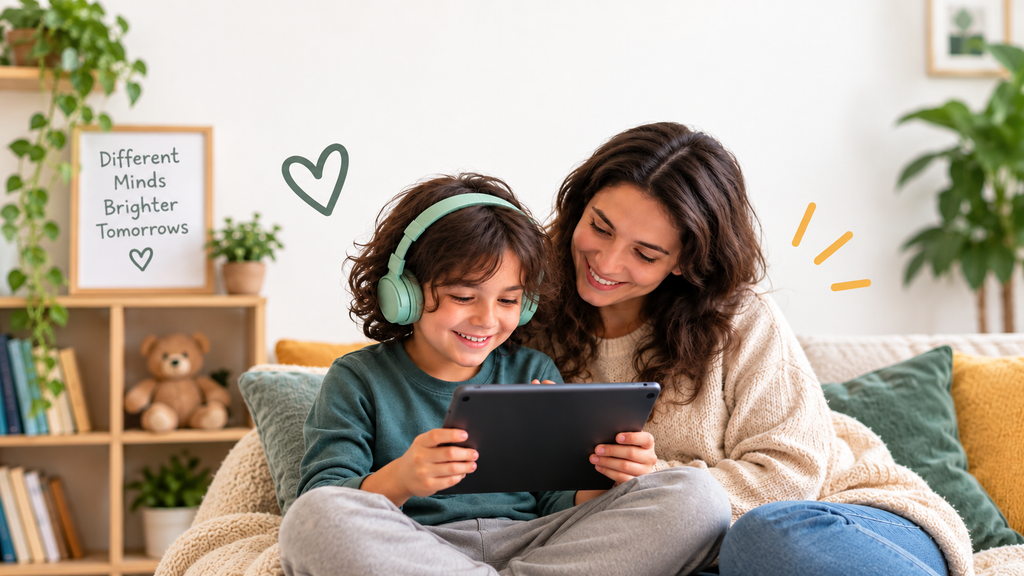
Screen time and neurodivergent kids is a complex topic because technology can serve very different purposes in a child’s life. For some autistic children and children with ADHD, screens may support communication, learning, social connection, creativity, or regulation. At the same time, excessive or poorly timed recreational screen use may interfere with sleep, physical activity, […]
Digital Tools for Autism Social Skills: What Research Shows
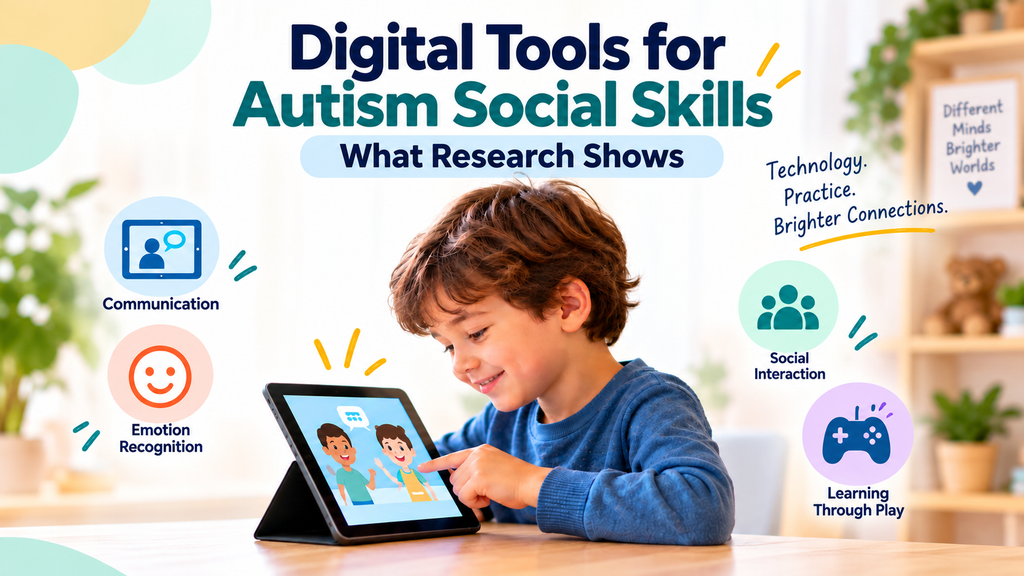
Digital tools for autism social skills are becoming an increasingly interesting area of research. From interactive apps and serious games to virtual reality (VR), researchers are exploring technology as a way to help autistic children practise specific social and communication skills. But parents may reasonably wonder: Can technology really help a child develop social skills, […]
From Social Challenges to Social Confidence in Autism
Guest Blog by Mitch Leppicello, LICSWEdited & Reviewed by NeuroNestHub From Social Challenges to Social Confidence: Supporting Autistic Children through Acceptance and Understanding Watching your autistic child struggle to connect with others can be heartbreaking. Perhaps they prefer playing alone, avoid joining group activities, or return home emotionally exhausted after school. As a parent or […]
Why Does My Child Cover Their Ears?

Why Does My Child Cover Their Ears? Understanding Sensory Sensitivities Have you ever noticed your child covering their ears when a school bell rings, a vacuum cleaner starts, or people begin clapping? Perhaps they become distressed in crowded places, birthday parties, or shopping malls, while other children seem completely comfortable. As a parent, it’s natural […]
Why Does My Neurodivergent Child Avoid Eye Contact?
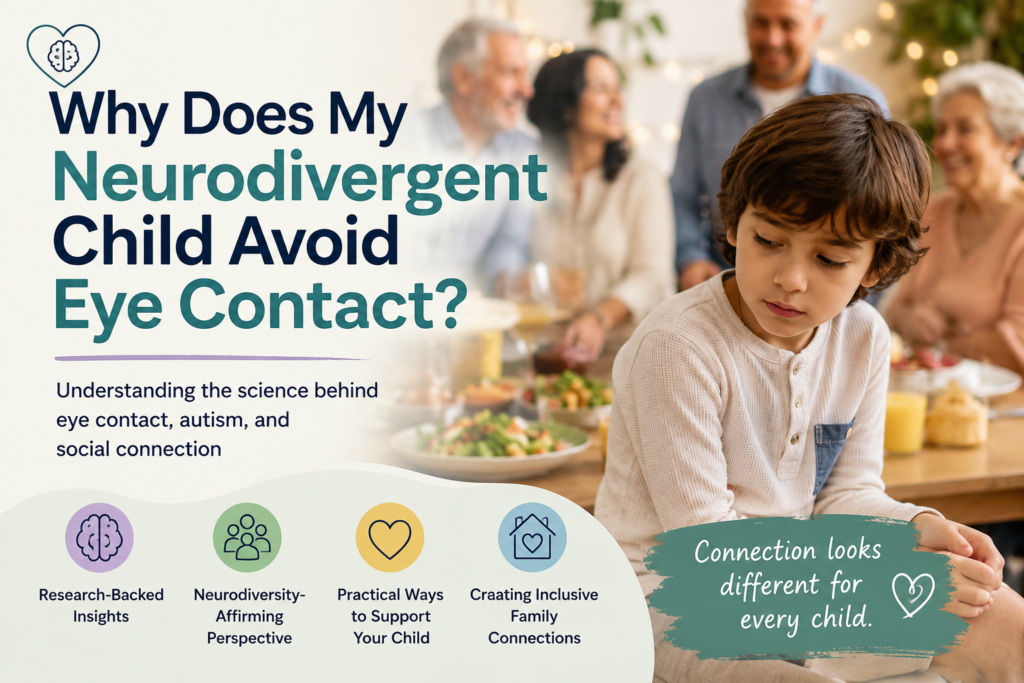
Why Does My Neurodivergent Child Avoid Eye Contact? At family gatherings, you may notice your child looking away when relatives speak to them. Perhaps an aunt comments, ‘Why won’t he look at me?’ or a grandparent worries that your child seems uninterested. For many neurodivergent children, however, avoiding eye contact is not about avoiding people. […]
What Does Neurodivergent Affirming Therapy Look Like?

By Amy Peters As awareness of neurodiversity grows, more people are beginning to question traditional approaches to therapy and mental health support. For many autistic and ADHD individuals, therapy has not always felt like a safe space for understanding and self-discovery. Instead, it has sometimes focused on changing behaviours and encouraging conformity to neurotypical expectations. […]
Broca Area and Autism: Understanding Speech Delays
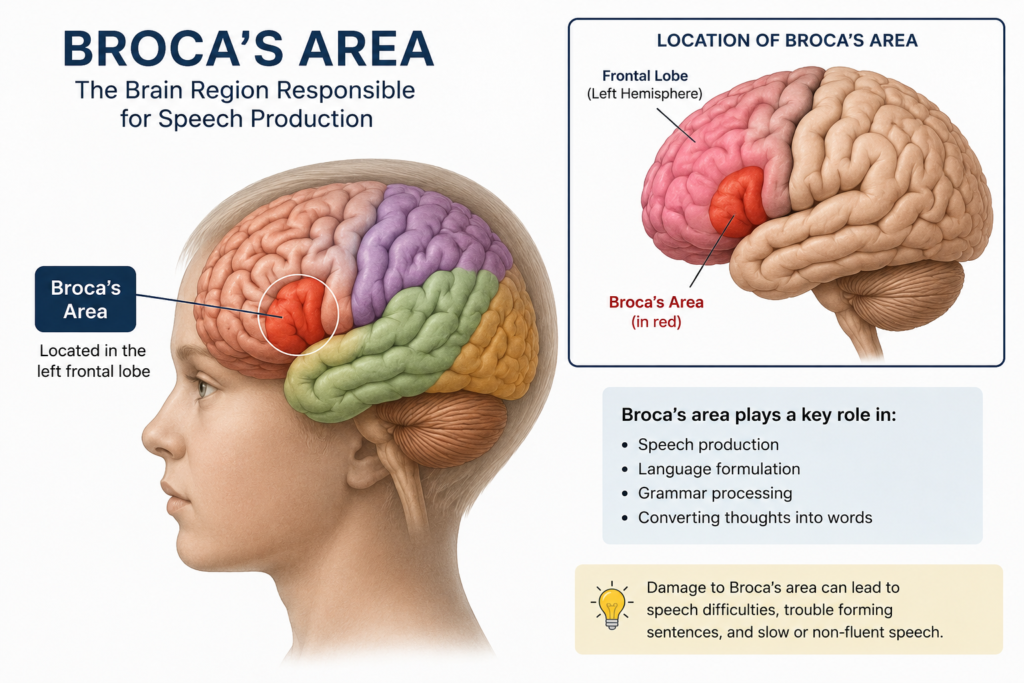
Introduction Broca area and autism are closely connected to how some autistic children process and express language. Many parents notice that their child understands instructions, emotions, and routines well but still struggles to speak clearly. This difference often relates to how the brain organizes speech and communication. One important brain region involved in this process […]
Early Signs of Autism in Toddlers (Age 1–3): What Every Parent Should Know

Introduction Every child grows and develops at their own pace. Some toddlers begin speaking early, while others take more time. However, when certain communication, social, or behavioral milestones are consistently delayed or atypical, these may represent early indicators of autism spectrum disorder (ASD). Autism is a neurodevelopmental condition that affects social communication, interaction, and behavior […]